January 26, 2026
Understanding the evolution of dentures and their crucial role in dental health can guide individuals in choosing the right options for their needs. This article will delve into the various modern denture solutions that enhance comfort, restore functionality, and boost confidence.
Understanding Dentures: What They Are and Their Purpose
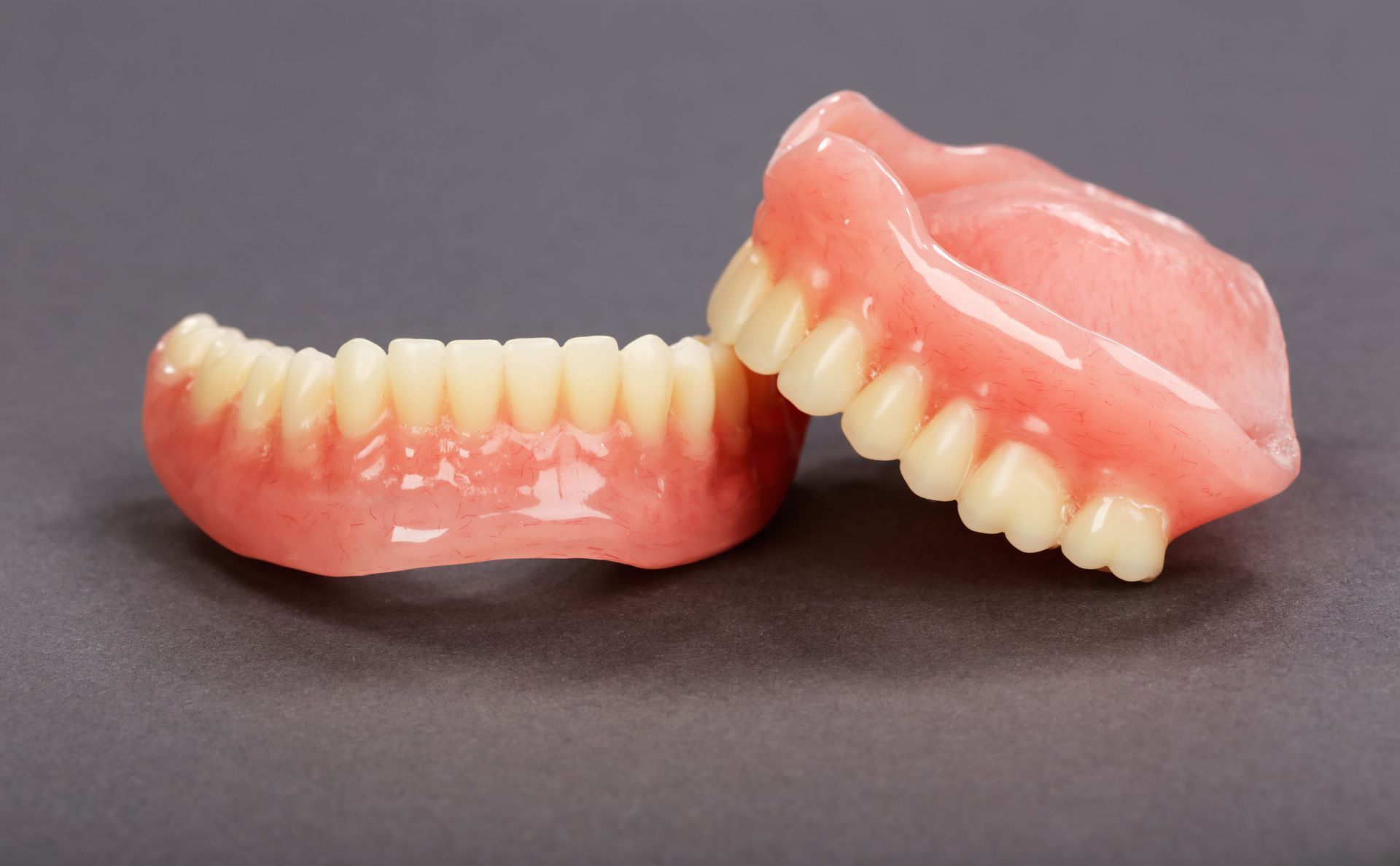
Dentures are removable dental appliances designed to replace missing teeth and restore the appearance and oral functions for individuals. They come in various forms, including full sets for those who have lost all their teeth and partial sets for individuals missing a few teeth. Dentures help in maintaining facial structure by supporting the cheeks and lips, thereby preventing a sunken appearance. These prosthetics also contribute to proper speech pronunciation, which can be impaired by tooth loss. The necessity of dentures is most evident in improving the quality of life for those who use them. According to the Academy of General Dentistry, more than 40 million Americans wear dentures.
The history of dentures dates back centuries, with early versions made from animal teeth, ivory, or even wood. It wasn't until the 18th century that more sophisticated manufacturing techniques emerged, leading to the use of porcelain and other materials. The 20th century saw significant advancements, introducing acrylic resins and flexible polymers. These improvements enhanced the durability and comfort of dentures dramatically. Today, modern dentures have benefited from technological strides in dentistry, making them more accessible and aesthetically pleasing.
Dentures serve to restore several key oral functions that are hindered by tooth loss. Primarily, they allow for efficient chewing and digestion of food, which is critical for nutrition and overall health. Additionally, dentures play a vital role in speech clarity, ensuring proper pronunciation and communication. Beyond functionality, they also help maintain self-esteem by restoring smiles and enhancing facial symmetry. Moreover, dentures aid in maintaining the alignment of remaining teeth by filling gaps that might otherwise lead to misalignment or further tooth loss.
Modern Types of Dentures: Innovations and Options
Full dentures are designed to replace an entire set of teeth, and are ideal for individuals who have lost all their natural teeth. They rest directly on the gums and are typically made from various durable materials like acrylic. Partial dentures, on the other hand, are suited for those missing only a few teeth. They are held in place by dental structures such as clasps or precision attachments, offering stability. Both types have their advantages, and the choice depends on the unique requirements and oral health of the individual.
Implant-supported dentures represent a significant advancement in denture technology, offering improved stability and comfort. This type involves placing titanium implants into the jawbone, which act as anchors for the dentures. The integration with the jawbone provides a secure fit, making them less likely to slip compared to traditional dentures. Benefits include enhanced chewing efficiency and preservation of the jawbone structure since the implants mimic natural tooth roots. The process involves surgery and a healing period, but the long-term benefits in functionality and comfort are considerable.
Flexible dentures offer a revolutionary approach to increased comfort by using softer, bendable materials like thermoplastics. Unlike rigid dentures, these conform closely to the contours of the mouth, reducing the incidence of sore spots and pressure points. They are particularly beneficial for those with irregular or sensitive gums, providing an ergonomic fit. Flexible dentures also tend to have a more aesthetic appearance as they eliminate the need for visible metal clasps. For those seeking comfort alongside functionality, flexible dentures represent a noteworthy option.
Fitting and Maintenance: Ensuring Longevity and Comfort
Fitting dentures is a meticulous process that ensures comfort and effectiveness. Initially, a dental professional conducts comprehensive measurements and impressions to capture the precise shape of the mouth. This data helps in crafting a model that will serve as a template for the final denture fabrication. Following this, multiple fitting appointments may be necessary to test the model and make necessary adjustments. The final product is adjusted further as the wearer gets accustomed, ensuring optimal fit and comfort.
Proper maintenance of dentures is essential to ensure their longevity and hygienic use. Daily cleaning with a soft brush and non-abrasive cleaner is necessary to remove food particles and plaque. Dentures should be kept moist when not in use to prevent warping, typically by soaking them in water or a denture cleanser solution. Regular check-ups with a dental professional are recommended for thorough cleaning and timely adjustments. Maintaining oral hygiene through regular brushing of gums and remaining teeth is also crucial to prevent oral complications.
Occasional discomfort and fit issues are common, especially with new dentures, but they can usually be resolved with professional adjustments. Pressure sores and areas of irritation should be promptly reported to a dentist for modification. Over time, as the gums and bones change, dentures may require relining to refit them properly. In some cases, adhesives can provide temporary relief by enhancing stability. Consistent care in communication with a dental professional can help maintain comfort and function throughout the lifespan of the dentures.
Denture replacement may become necessary over time due to wear and changes in the mouth’s structure. Typically, dentures last from five to seven years, although this can vary based on material quality and care. Indications for replacement include persistent discomfort, visible wear like cracks or fractures, and significant fit issues. Regular assessments by a dentist can determine when a replacement is due. Timely replacement ensures continued function, aesthetics, and comfort for the denture wearer.
Adapting to Dentures: Tips for a Smooth Transition
The initial days of wearing dentures can pose challenges as the mouth adjusts to the new appliance. Users may experience an increase in saliva production, minor soreness, or difficulty with speech. These issues typically subside as the mouth becomes accustomed to the dentures. Patients are advised to practice speaking and eating with their dentures to expedite the adaptation process. Patience and perseverance are crucial, as the adjustment phase is temporary and necessary for long-term comfort.
Adopting dentures requires some dietary adjustments to ensure comfort and nutritional maintenance. Initially, softer foods are recommended, gradually introducing more variety as confidence in chewing ability increases. Cutting foods into smaller pieces and chewing with even pressure can enhance the eating experience. It's important to maintain a balanced diet to support overall health and well-being. Consulting with a nutritionist might be beneficial for creating a suitable meal plan during this transition.
Dentures can initially impact speech, particularly with pronouncing certain sounds. Practicing speaking aloud and reading to oneself can help overcome these initial hurdles. Exercises that focus on repeating challenging words help the muscles in the mouth adapt to the new shape and spatial configuration. Some users may benefit from consultation with a speech therapist for targeted guidance. Over time, with practice and patience, speech with dentures can become as natural and clear as before.
Dentures have come a long way from their early, rudimentary forms to the modern, comfortable, and functional solutions available today. By understanding the types of dentures—full, partial, implant-supported, and flexible—along with proper fitting, maintenance, and adaptation strategies, individuals can make informed decisions that enhance both oral health and quality of life. Modern dentures not only restore the ability to chew and speak effectively but also improve facial aesthetics and self-confidence. With regular dental care, proper maintenance, and patience during the adjustment period, dentures can provide lasting comfort, functionality, and a renewed sense of well-being for those who rely on them. Contact Soundview Denture Clinic to learn more today!