July 19, 2026
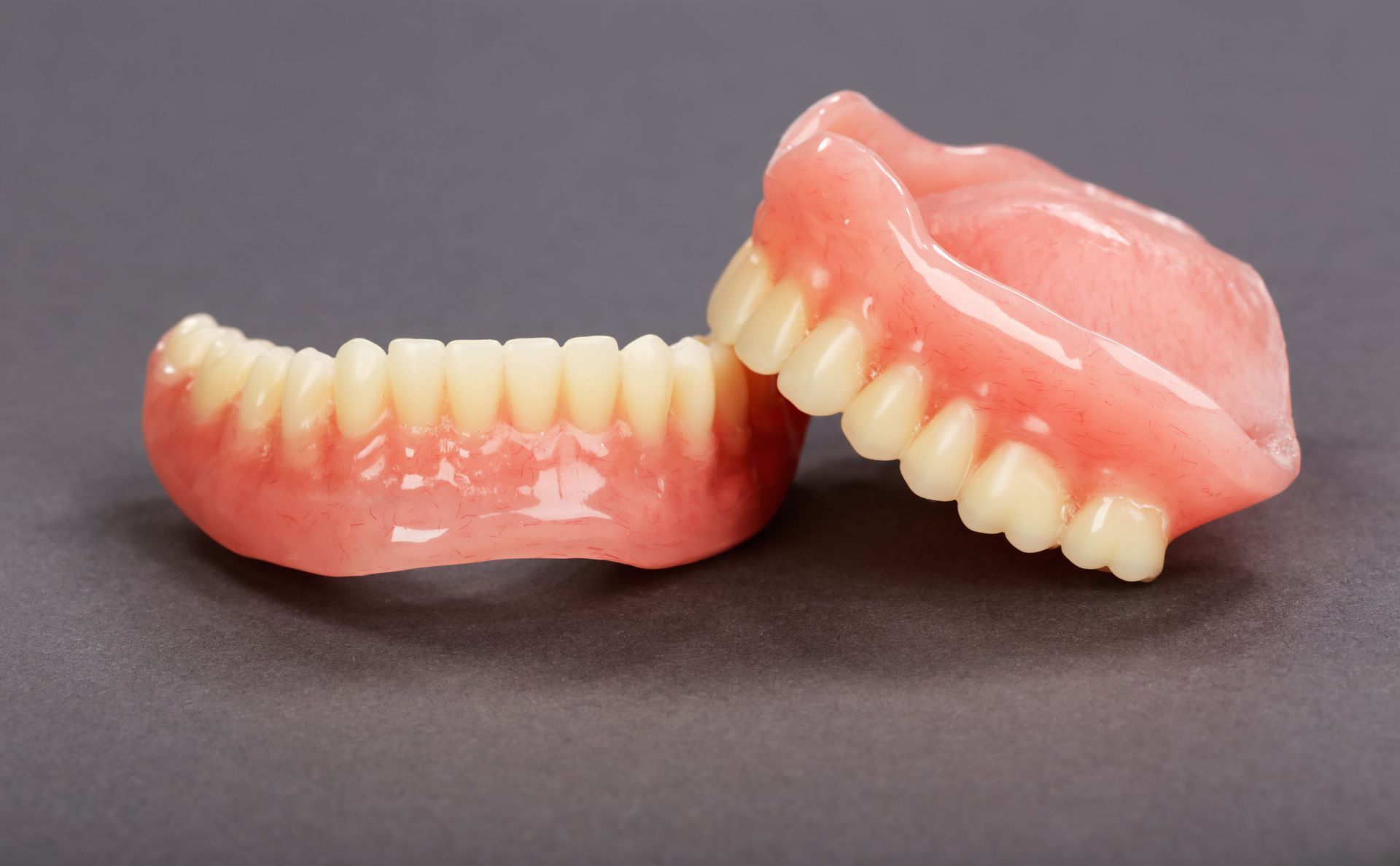
Dentures play an important role in helping people eat comfortably, speak clearly, and smile with confidence. Like many dental appliances, they experience everyday wear and naturally change in how they fit as the mouth changes over time. Understanding when dentures should be replaced or relined can help prevent discomfort while supporting better long-term oral health.
Many people assume dentures only need attention when they break, but that is rarely the case. Small changes in the gums and jawbone can gradually affect how dentures fit, even when they still look to be in good condition. Learning what to watch for and scheduling routine dental evaluations can help keep dentures functioning as intended.
Whether someone has worn dentures for decades or recently received their first set, knowing the difference between replacing and relining is valuable. This guide explains the factors that influence denture lifespan, the signs that indicate professional care may be needed, and practical ways to help dentures last longer through proper maintenance and regular denture services.
Understanding the Lifespan
Dentures are designed to be durable, but they are not intended to last forever. In many cases, a full set lasts between five and seven years before replacement becomes the better option. Daily chewing, speaking, cleaning, and natural changes in the mouth all contribute to gradual wear over time.
The materials used to create dentures are strong enough for everyday use, yet repeated pressure slowly affects both their appearance and performance. Even when the teeth themselves remain in good condition, the base may no longer match the shape of the gums. This can reduce stability and make daily activities less comfortable.
Routine dental visits make it easier to identify these changes before they become major problems. During professional denture services, a dentist can evaluate the condition of the appliance, examine changes in the mouth, and recommend whether a simple adjustment, reline, or complete replacement offers the best solution.
Recognizing the Warning Signs
Several signs suggest that dentures may no longer provide the fit and function they once did. Loose dentures, sore spots, difficulty chewing, and changes in speech often indicate that adjustments are needed. Ignoring these issues can make everyday tasks increasingly uncomfortable.
Visible damage is another common warning sign. Cracks, chips, worn chewing surfaces, or discoloration may affect both appearance and performance. Persistent odors that remain after thorough cleaning can also indicate bacteria collecting in tiny surface imperfections.
According to the American College of Prosthodontists, approximately 15% of people who have lost all of their natural teeth receive new dentures each year. This highlights how common denture replacement is as part of ongoing oral care rather than an unusual event. Recognizing changes early allows dental professionals to recommend appropriate denture services before more significant complications develop.
Choosing Between Replacing or Relining
Not every denture problem requires starting over with a completely new set. In many situations, relining provides an effective way to improve fit while keeping the existing denture. During a reline, the inner surface is reshaped to better match the current contours of the gums.
Relining is often recommended when dentures remain structurally sound but have become loose because of natural bone and tissue changes. A better fit can improve comfort, increase stability, and make eating and speaking easier without replacing the entire appliance. For many patients, this approach saves both time and money.
Replacement becomes the better option when dentures have extensive damage, excessive wear, or no longer provide proper function despite adjustments. A dental professional can evaluate the overall condition and recommend which option best supports long-term comfort. Comprehensive denture services ensure that each recommendation is based on both the condition of the dentures and the health of the mouth.
Maintaining the Comfort
Good daily habits have a significant impact on how long dentures remain comfortable and functional. Cleaning them every day with products designed specifically for dentures helps remove food particles, plaque, and bacteria while protecting the material from unnecessary damage. Using abrasive toothpaste or stiff brushes can create scratches that shorten the appliance's lifespan.
Proper storage also matters. Dentures should generally remain moist when not being worn to help maintain their shape. Following the storage instructions provided by a dental professional helps prevent warping and other avoidable damage that may affect the fit.
Regular checkups are equally important because changes inside the mouth often occur gradually. Professional denture services allow dentists to monitor bone and gum health, make minor adjustments when necessary, and identify concerns before they become more difficult or expensive to address.
Preventing the Common Problems
Many denture issues develop gradually rather than all at once. A slight change in fit may seem minor at first, but it can eventually lead to sore spots, irritation, or difficulty chewing certain foods. Addressing these concerns early often prevents more extensive treatment later.
Ill-fitting dentures can also place uneven pressure on the gums and underlying bone. Over time, this may contribute to additional bone loss, making dentures even less stable. Regular evaluations allow dental professionals to identify these subtle changes before they significantly affect comfort or oral health.
Lifestyle habits also influence how well dentures hold up over the years. Smoking, poor oral hygiene, and skipping routine appointments can all shorten their lifespan. Consistent denture services combined with healthy daily habits help reduce unnecessary wear while supporting a more secure and comfortable fit.
Following the Relining Process
When a reline is recommended, the procedure is generally straightforward and much less involved than receiving a brand-new set of dentures. The process begins with a professional examination to determine whether the existing denture remains structurally sound. If it does, the inner surface can be reshaped to better fit the current contours of the mouth.
Depending on the individual's needs, a dentist may recommend either a soft or hard reline. Soft relines use a flexible material that cushions sensitive gums, while hard relines provide a more durable, long-term solution. The right choice depends on oral health, comfort needs, and how the dentures are used each day.
Professional relining provides greater accuracy than over-the-counter products. While do-it-yourself kits may appear convenient, they often create uneven surfaces that can worsen discomfort or lead to additional problems. Receiving professional denture services helps ensure the dentures fit properly and continue functioning as intended.
Supporting Long-Term Health
Healthy gums and jawbone provide the foundation for comfortable dentures. Even after natural teeth are gone, routine dental care remains important because the mouth continues to change throughout life. Monitoring these changes allows treatment recommendations to evolve alongside a patient's needs.
Nutrition also plays a role in denture longevity. Eating a balanced diet supports healthy oral tissues, while limiting extremely hard or sticky foods helps reduce unnecessary stress on the dentures themselves. Staying hydrated can also improve comfort by helping maintain adequate moisture inside the mouth.
Many people are surprised to learn that regular dental visits remain necessary even when they wear full dentures. During these appointments, professionals evaluate oral tissues, screen for potential concerns, and recommend appropriate denture services based on changes in fit, function, and overall oral health.
Replacing or relining dentures is not determined by a calendar alone. The condition of the dentures, changes within the mouth, daily comfort, and overall function all help determine the right time for treatment. Paying attention to early warning signs and seeking professional guidance can help prevent unnecessary discomfort while extending the usefulness of existing dentures.
Routine cleaning, proper storage, healthy habits, and regular dental evaluations all contribute to longer-lasting dentures and better oral health. Whether a simple reline restores comfort or a replacement becomes the better long-term solution, making timely decisions helps preserve confidence and everyday quality of life. If you have questions about your dentures or think they may need attention, contact Soundview Denture Clinic today.